Buying a HUD Home in Orlando and Orange County
Buying a HUD home in the Orlando area follows the same statewide process — HUD Home Store filtered to Orange County (and neighboring Seminole, Osceola, and Lake), a HUD-registered broker to bid, and the standard owner-occupant exclusive period. Central Florida's inventory tends to include a mix of established single-family neighborhoods and newer-build subdivisions, so status codes and repair needs vary more by specific neighborhood age than they do in older coastal metros.
The metro is bigger than the city
"Orlando" as a buying area functionally spans several counties — Orange, Seminole, Osceola, and Lake all feed the same job and housing market. If you're only filtering HUD Home Store to Orange County, you may be missing comparable inventory a short commute away; ask your broker to set up saved searches across the full metro rather than one county alone.
HOA and community rules are worth checking early
Central Florida has a high concentration of HOA-governed communities, including many newer subdivisions built in the last two decades. HUD sells the home as-is but doesn't negotiate or waive HOA requirements — before bidding, ask your broker to pull the community's HOA documents so you know about approval processes, fees, and any restrictions (including rental restrictions relevant to investors) before you're under contract.
Insurance and age-related inspection triggers
Florida-wide, insurers increasingly require four-point inspections and sometimes roof certifications for older homes before binding a policy — this applies in Orlando the same as anywhere else in the state. Because Central Florida's inventory includes both 1970s–80s-era homes and newer construction, get an insurance quote early in your bid process rather than after acceptance; a home that's difficult or expensive to insure can affect your real cost even at a below-market purchase price.
Investor considerations for the area
Orlando's rental market is heavily shaped by both long-term renters and the area's tourism-driven short-term rental activity — but short-term rental rules vary block by block depending on county and HOA regulation, and HUD's sale terms don't guarantee a property is zoned or permitted for short-term use. Investors should confirm short-term rental eligibility with the specific county or municipality before assuming a HUD purchase can be used that way.
Working with a local broker
Because HUD inventory turns over and gets re-priced on a set schedule, a broker who's actively watching Central Florida listings daily — rather than checking occasionally — is the difference between catching a property in its owner-occupant window and finding out about it after it's already gone to the highest bidder.
Related reading
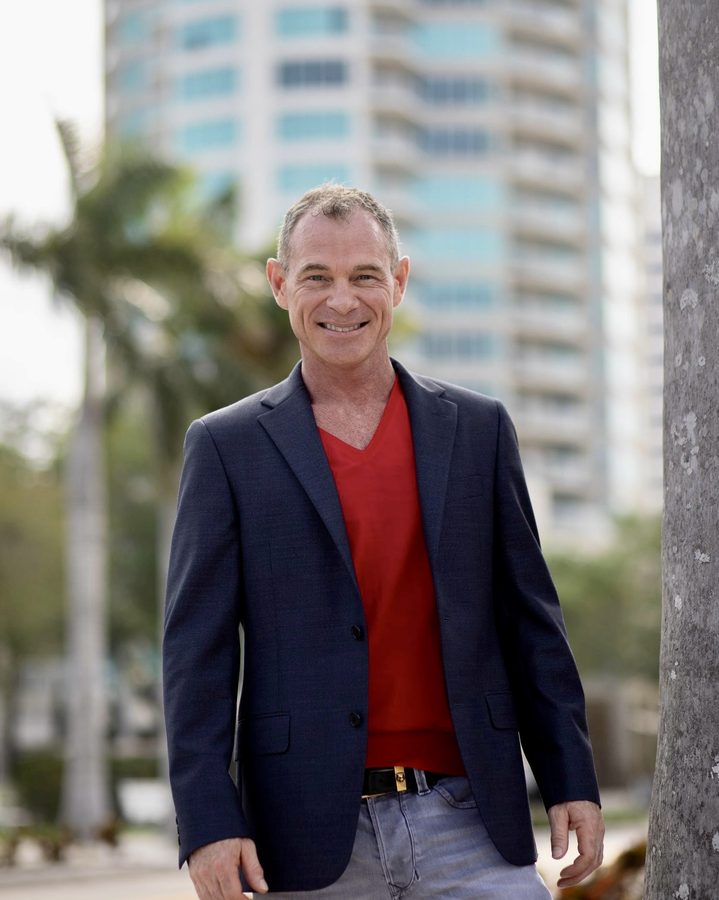
Alexander Downey
Broker · Lic. BK3312729
Have a question about this specific topic, or a property you're looking at? I read and respond to every inquiry personally.
Get in touch → See current Florida listingsReady to see what's actually live?
Browse current Florida HUD listings, or talk it through with a HUD-registered broker first.